WORKSHOP de Comunicación Ética y No Opresiva
Este Protocolo de Comunicación Ética y No Opresiva ofrece un marco práctico, decolonial y participativo para fortalecer la forma en que las instituciones se comunican—internamente y externamente—con su personal, comunidades y socios globales.
Está diseñado como un documento vivo desarrollado a través de la reflexión colectiva y la práctica aplicada.
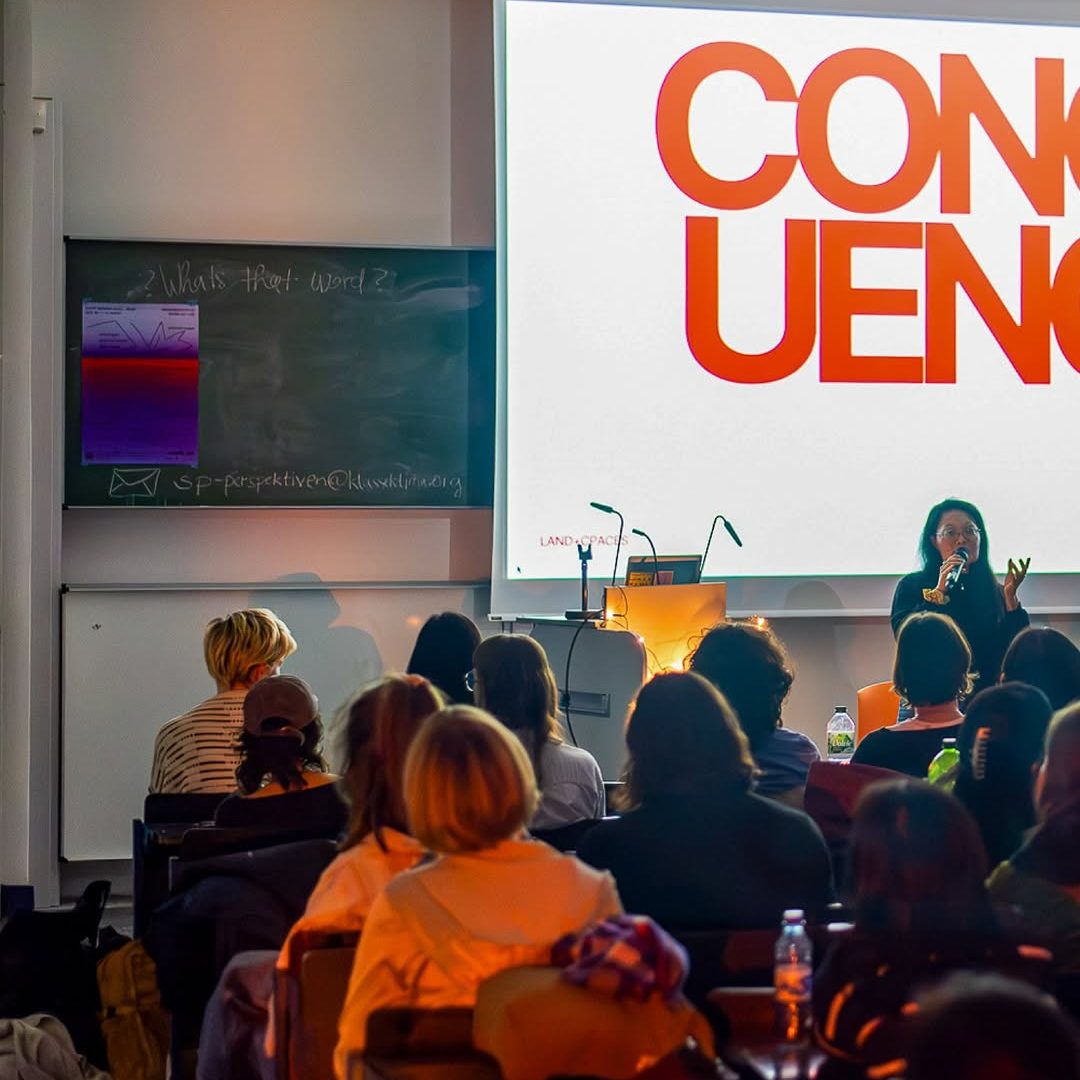
Propósito
- Reducir las formas estructurales e interpersonales de opresión suave.
- Fomentar una comunicación ética, intercultural, consciente del género y sensible al trauma.
- Promover colaboraciones equitativas con comunidades, particularmente en el Sur Global.
- Apoyar la transformación institucional a través de diálogos centrados en la justicia.
La comunicación nunca es neutral—redistribuye poder. La práctica ética asegura que esta redistribución sea consciente, responsable y no extractiva.
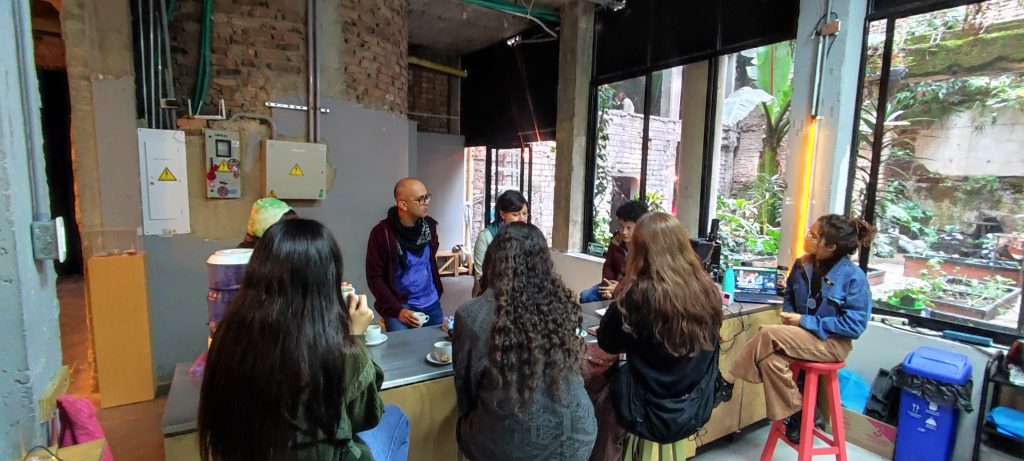
Estos talleres están moldeados de manera única por la experiencia, práctica y metodología de:
Carmen Caro Click to know more
- Más de 8 años de experiencia de base en América Latina, la región SWANA y Europa
- Trabajo en contextos afectados por conflictos, posconflictos, migración y diversidad cultural
- Uso de metodologías interdisciplinarias: artes comunitarias, aprendizaje corporal, arquitectura, investigación cultural, marcos somáticos e inteligencia emocional
- Métodos de facilitación que crean entornos de aprendizaje seguros, interculturales y sostenibles
- Prácticas artísticas utilizadas como herramientas creativas de comunicación para la incidencia y la memoria colectiva
- Experiencia en el diseño de pedagogías no opresivas, decoloniales y con enfoque feminista
Conceptos Clave
Práctica Antiextractivista
Resistir activamente la extracción de historias, imágenes o emociones para agendas externas (artísticas, institucionales, académicas o digitales). El conocimiento, las narrativas y la visibilidad deben servir a las propias prioridades, tiempos y condiciones materiales de la comunidad—no al reconocimiento o consumo externos.
Representación No Tokenista
Rechazar la inclusión simbólica o la diversidad superficial que reproduce desequilibrios de poder. La participación, autoría y visibilidad deben ser estructuralmente significativas, orientadas a la toma de decisiones y responsables, en lugar de performativas o simbólicas.
Ética de la No Espectacularización
Rechazar la estetización, simplificación o circulación del sufrimiento como contenido. El dolor no es evidencia, espectáculo ni moneda; su representación debe estar estrictamente contextualizada, ser necesaria y controlada para evitar la banalización o el daño.
Gobernanza Narrativa Liderada por la Comunidad y Seguridad
Asegurar que las comunidades conserven el control sobre la narración, la presencia en redes sociales y la difusión, respaldadas por protocolos claros de seguridad antes, durante y después de la publicación. Esto incluye consentimiento, evaluación de riesgos, seguridad digital, derechos de retiro y responsabilidad a largo plazo sobre el impacto.
Metodología
Embodied concepts Conceptos corporales (compasión pragmática, coexistencia ch’ixi, alfabetización emocional)
Creatividad y medios artísticos utilizados para romper barreras de comunicación y apoyar la autonomía narrativa
Una práctica arraigada en el cuidado, la responsabilidad y la transformación, no en la inclusión performativa
Conocimiento profundo de las agendas comunitarias, no solo de las perspectivas institucionales
Instituciones aliadas
Talleres, formaciones y protocolos impartidos en:
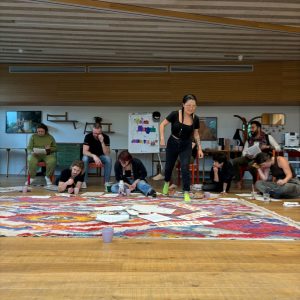

Europa
- ECCHR – European Center for Constitutional and Human Rights, Berlin
- SPORE Initiative – Internal Staff, Berlin
- The Young Diplomat- Paises Bajos
SWANA & Latin America
- EAPPI – Colombia (World Council of Churches)
- Nisgua – Guatemala
- Comunidad Árabe de Chile – NGO
- Colombian Institute of Arabic Culture, Colombia
Museos & Instituciones culturales
- MAMBO – Museo de Arte Moderno de Bogotá, Mediadores Team
- Fundación Lunaria – Staff Training, Bogotá
Esta base transregional hace que el protocolo sea adaptable a cualquier organización, museo, espacio cultural, grupo de incidencia o institución educativa que busque una transformación ética.
Workshops
Comunicación Ética a Través de la Diferencia
Duración: 3–4 horas (media jornada), adaptable a un laboratorio de 1 día.
Enfoque: Ética de la comunicación interna para equipos, instituciones y mediadores.
Objetivo: Construir marcos compartidos para una comunicación interna y con socios ética, no extractiva y culturalmente sensible.
Contenido + Ejercicios
- Posicionalidad y Ética Interna
• Ejercicio: Constelaciones de Identidad (mapeo de privilegios, vulnerabilidades y poder). - Diferencia Cultural e Interpretación
• Ejercicio: Interpretación con inversión de roles utilizando escenarios de comunicación anonimizados. - Evitar el Gatekeeping
• Ejercicio: Detector de Gatekeeping — identificar puntos de exclusión en los flujos de trabajo. - Incidencia sin Extracción
• Ejercicio: Mapeo de Riesgos Narrativos para identificar riesgos de extracción. - Redacción de Lineamientos
• Ejercicio: Co-creación de principios éticos de comunicación interna y externa.
Resultados
- Carta Interna de Comunicación Ética
- Carta Externa para Comunidades y Socios
- Principios integrados: antiextracción, no policing del tono, comunicación basada primero en el consentimiento
Referencias Clave
Confortini, Feminist Peace Research: Pragmatic Compassion
Sara Ahmed, On Complaint
Spivak, Can the Subaltern Speak
Comunicación Externa con Comunidades del Sur Global
Duración: 4–5 horas (media jornada o jornada completa), con sesiones de seguimiento opcionales.
Enfoque: Comunicación ética con comunidades y socios del Sur Global.
Objetivo: Prevenir el extractivismo, el tokenismo y la banalización del dolor, centrando las epistemologías comunitarias y la seguridad.
Contenido + Ejercicios
- Estudios de Caso (específicos al contexto)
• Ejercicio: Cuadrícula de Anticipación de Daños — identificar prácticas extractivas antes de que ocurran. - Simulaciones y Juego de Roles
• Ejercicio: Entrevistas Centradas en la Dignidad — practicar métodos basados primero en el consentimiento. - Reflexividad Interseccional
• Ejercicio: Líneas de Poder — dibujar dinámicas de poder sociales, culturales e institucionales. - Toma de Decisiones Participativa
• Ejercicio: Círculos de Consenso utilizando metodologías indígenas/colectivas. - Alfabetización Digital y Mediática
• Ejercicio: Protocolo de Autonomía Narrativa — diseñar flujos de trabajo mediáticos seguros. - Herramientas Artísticas y Somáticas
• Prácticas corporales: rituales de enraizamiento, mapeo sensorial, dibujo colaborativo.
Objetivos Éticos
- Evitar el extractivismo narrativo y cultural
- Evitar la tokenización y la diversidad performativa
- revenir la banalización/espectacularización del dolor
- Fortalecer el control comunitario de la narración y la presencia en redes sociales
- Implementar protocolos de seguridad antes/durante/después
Referencias Clave
Rivera Cusicanqui, Un mundo ch’ixi
Catherine Walsh, Pedagogías decoloniales
Escobar, Sentipensar / Política Pluriversal
Buen Vivir y epistemologías relacionales andinas